
Top stories in Prince Edward Island

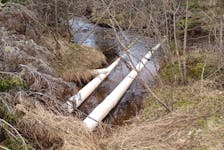
Cardigan, P.E.I., resident raises alarm over fish hatchery pipe extensions
Updated 42 minutes ago
|4 min read
Transgender flag creator Monica Helms visits P.E.I. on Canada-wide tour
Updated 1 hour ago
|6 min read

Downtown Charlottetown market moving to Confederation Landing, not Founders’ Hall, pending approval
Updated 4 hours ago
|6 min read
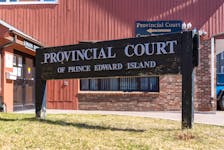
P.E.I. man found guilty of cocaine, crystal meth drug dealing
Updated 1 hour ago
|3 min read
P.E.I.'s Kensington Vipers clinch semifinal berth at Don Johnson Memorial Cup
Updated 3 hours ago
|2 min read
Local
More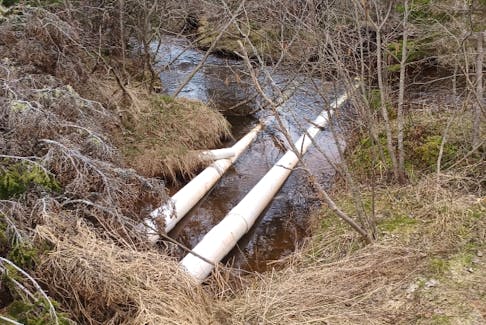
Transgender flag creator Monica Helms visits P.E.I. on Canada-wide tour
Updated 1 hour ago
|6 min read
P.E.I. man found guilty of cocaine, crystal meth drug dealing
Updated 1 hour ago
|3 min read
Downtown Charlottetown market moving to Confederation Landing, not Founders’ Hall, pending approval
Updated 4 hours ago
|6 min read
Gas prices go up in P.E.I. on April 26, 2024
Updated 5 hours ago
|1 min read
P.E.I.’s Kensington Police seeking information following hate-motivated graffiti in park
Updated 5 hours ago
|2 min read
Opinion
More
BRUCE MacKINNON CARTOON: Plastic proposal
Updated 18 hours ago
|1 min read
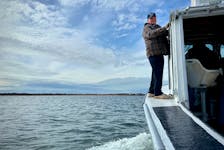
CHEERS AND JEERS: Cheers to those taking part in P.E.I.'s spring lobster fishery
Updated 4 hours ago
|6 min read
VOICE OF THE PEOPLE: Two sides to every story
Updated a day ago
|3 min read
LETTER: Who is supposed to stop at crosswalk — pedestrian or driver?
Updated 22 hours ago
|1 min read
COMMENTARY: Retired Cape Breton doctor stresses importance of patient confidentially
Updated 21 hours ago
|4 min read
Business
More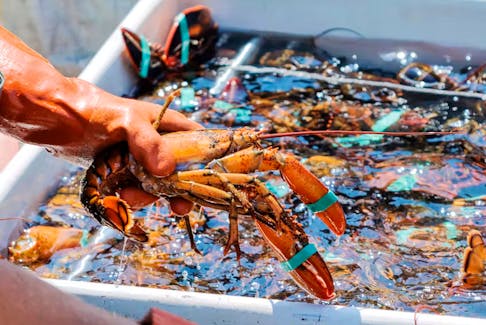
Prices at the Pumps: Some small relief, more for diesel
Updated 20 hours ago
|1 min read
Union to launch boycott of Java Blend coffee shops in Halifax
Updated a day ago
|3 min read

CBRM throws its support behind new proposed solar gardens projects
Updated a day ago
|9 min read
Construction boom hits Moncton in first quarter of 2024
Updated a day ago
|2 min read
Mexico's FEMSA revenues climb 11% on Oxxo, Coca-Cola growth
Updated 22 minutes ago
|2 min read
Lifestyles
More
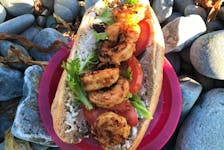
Spring cooking in N.L. usually involves a winter hat, but for local cooking enthusiast Willow Kean, a boil up on the beach is the way to go
Updated 51 minutes ago
|7 min read
'People from all walks of life and all age groups' love off-roading in N.L., say enthusiasts
Updated 1 hour ago
|7 min read
Storytime! Cape Breton's Christmas, Book 11 now collecting memories
Updated 2 hours ago
|2 min read
Free soup, seeds at Charlottetown sustainability and food waste reduction event
Updated 3 hours ago
|2 min read
Sports
More
P.E.I.'s Kensington Wild plays another close game at Telus Cup
Updated 3 hours ago
|2 min read

UPDATE: MHL PLAYOFFS – Big saves, third-period goals send Miramichi to come-from-behind win over Caps
Updated 23 hours ago
|8 min read

TELUS CUP: GM Duane Richards the heartbeat of P.E.I.'s Kensington Wild
Updated a day ago
|7 min read
Pownal falls to Tri-County at Maritime junior C hockey championship
Updated 23 hours ago
|1 min read
P.E.I.'s Kensington Wild plays second one-goal game at Telus Cup
Updated a day ago
|2 min read
Canada
More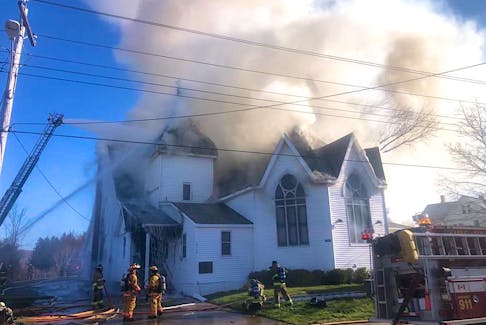
Firefighters on scene of structure fire at Bridgetown, N.S., baptist church
Firefighters are on the scene of a structure fire at the Bridgetown Baptist Church.
The church is located at 313 Granville St. in Bridgetown.
This story will be updated as more information becomes available.
Updated 27 minutes ago
|2 min read
Acadia University honouring four with doctorates at spring convocation
Updated 22 hours ago
|2 min read

N.B. rebrands trades certification program in bid to foster more apprenticeships
Updated 30 minutes ago
|2 min read
Broomball nationals coming to West Hants, N.S., in April 2025
Updated 49 minutes ago
|7 min read
Nova Scotia couple charged with smuggling weapons and ammo from the U.S.
Updated 53 minutes ago
|2 min read
Sydney lawyer appointed judge of Supreme Court
Updated 1 hour ago
|1 min read
World
More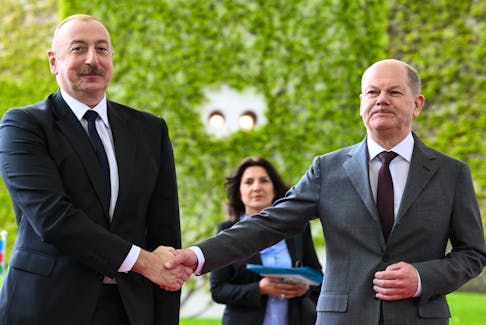
Azerbaijan's Aliyev rejects criticism over journalists' arrests
By Rachel More BERLIN (Reuters) - Azerbaijan's President Ilham Aliyev on Friday rejected criticism over the arrests of journalists and said the fact that people had access to the internet meant press freedom was assured. "We must protect our ...
Updated 14 minutes ago
|2 min read
U.S., Taiwan to hold trade talks in Taipei starting on Monday
Updated 14 minutes ago
|1 min read

Scottish First Minister Yousaf vows to win no-confidence vote
Updated 24 minutes ago
|2 min read

Berlin police clear pro-Palestinian camp from parliament lawn
Updated 24 minutes ago
|2 min read
U.S. review on IDF unit over rights allegations still ongoing, source says
Updated 35 minutes ago
|1 min read
Russia attacks Ukraine's rail lines to disrupt supply of U.S. arms, source says
Updated 45 minutes ago
|2 min read
Recent Stories
Pope will attend G7 summit to discuss AI, Italy says
Updated 22 minutes ago
|1 min read
Scottish First Minister Yousaf vows to win no-confidence vote
Updated 24 minutes ago
|2 min read
Berlin police clear pro-Palestinian camp from parliament lawn
Updated 24 minutes ago
|2 min read